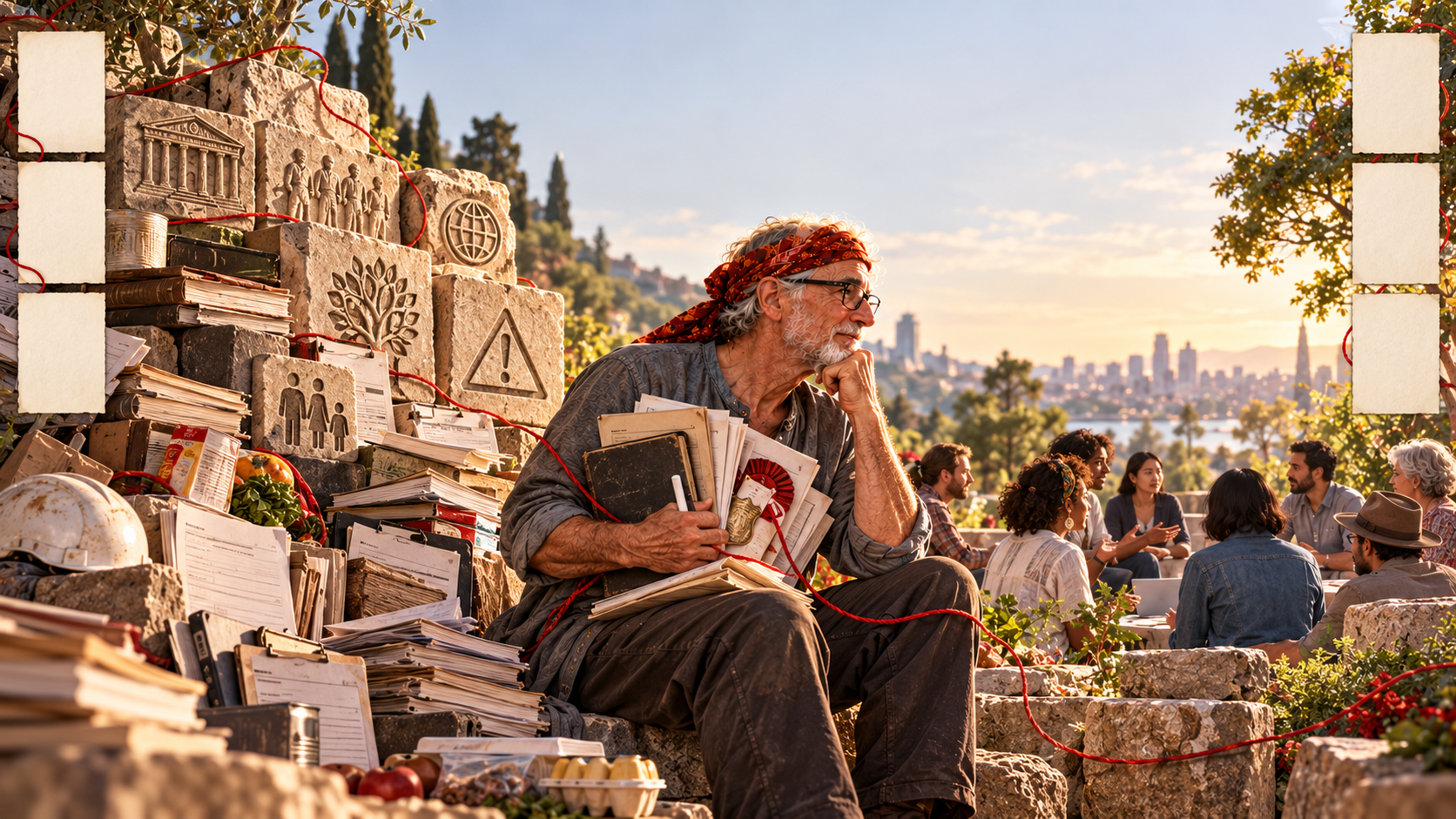
A 20-part End Up Here series · 2036 thought experiment
2036:
A World Without Rules?
Why do we have rules? What work do they do for us? And which rules might no longer be needed if the conditions that created them change?
20 episodes · four movements · one open question
AI-generated concept artwork · illustrative, not documentary
The question underneath the series
Why are rules everywhere?
Rules help us coordinate, protect one another, settle disagreements and limit power. They also accumulate. They reach into work, food, ownership, trade, safety, privacy, movement and ordinary daily choices.
I want to trace how that happened, then ask what might change by 2036 if superintelligence changes work, scarcity, competition and exchange. The future here is a question, not a prediction. Fewer disputes would not mean no harm; less ownership would not mean no boundaries; and laws that shrink must leave the protections people still need.
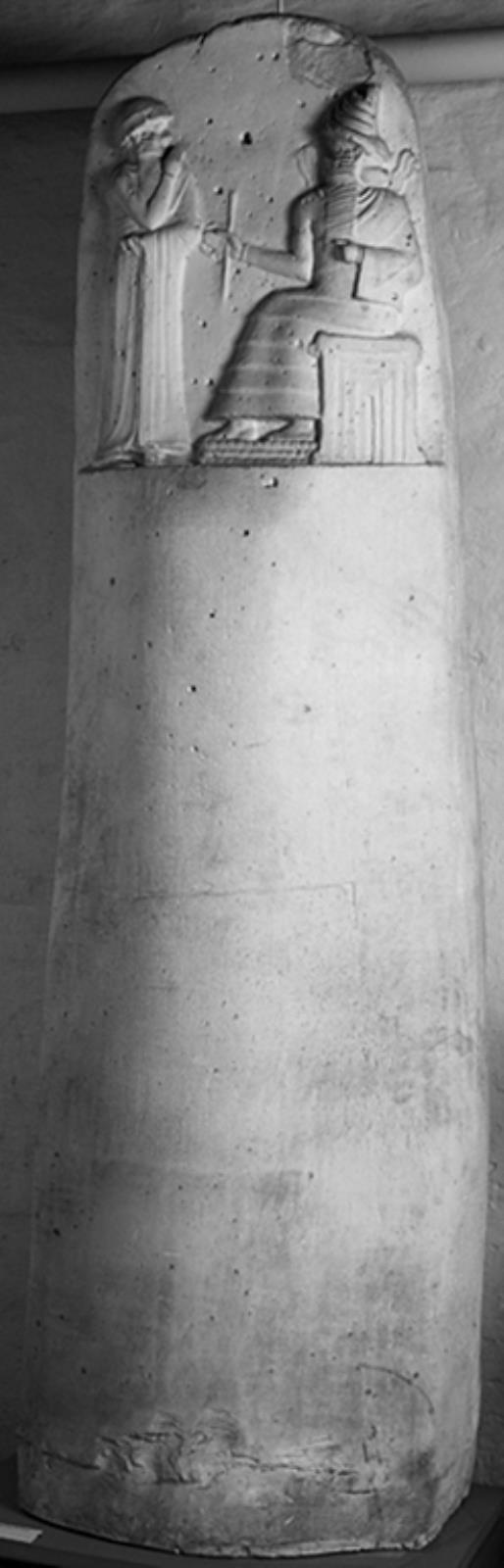
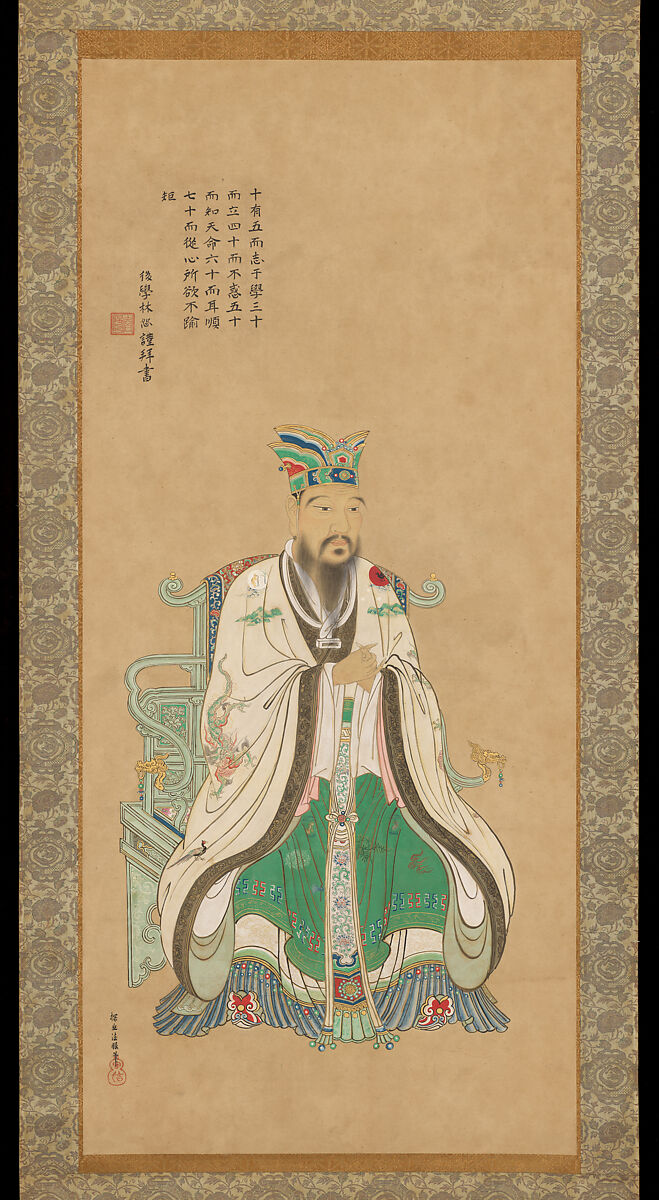
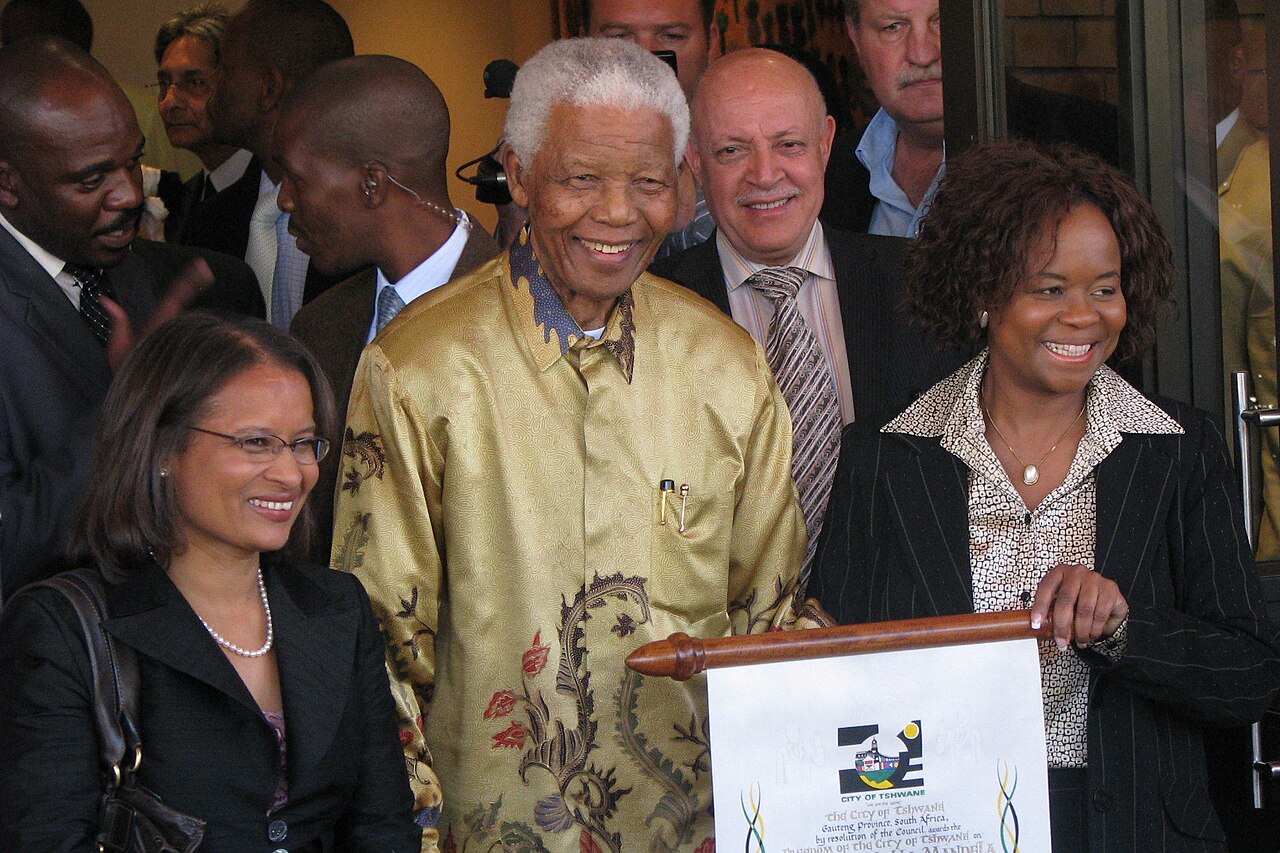
Five voices across time
Rules can protect.
Rules can also exclude.
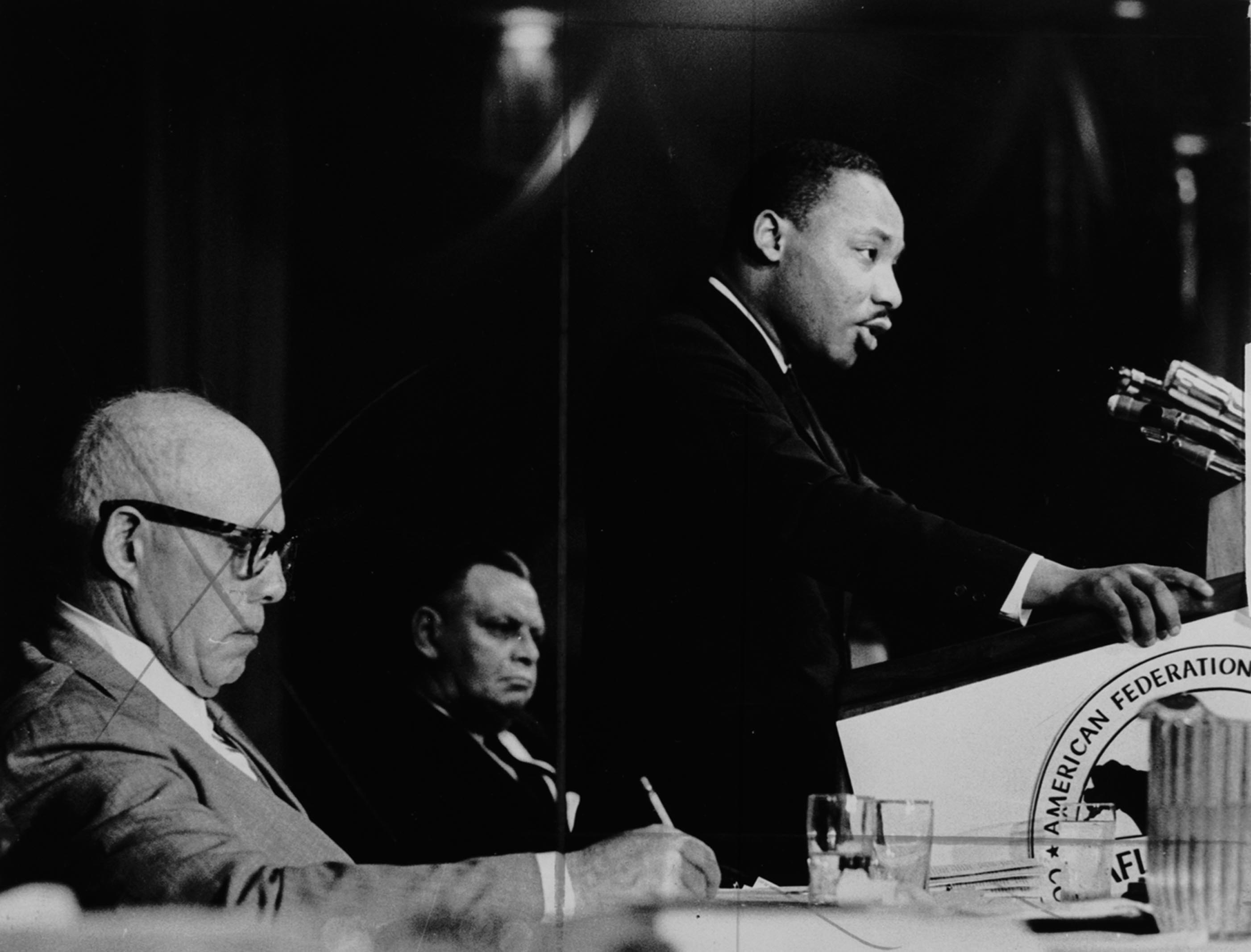
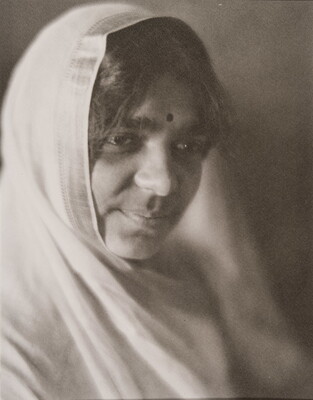
These people did not agree on one theory of law. Their words open different questions about authority, conduct, participation, resistance and equal dignity. The portraits and historical images are separately sourced; none of the quotations claims their support for this 2036 scenario.
mealThe food issue · episode 05
A concrete place to start
Follow one meal.
Food makes the density of rules visible. A meal carries decisions about land, growing, labour, transport, ingredients, safety, labelling, sale, nutrition and waste. Each rule has a job. Together they show how deeply systems have entered everyday life.
GrownLand, water, seed, labourMovedStorage, transport, standardsSoldSafety, labels, price, rightsEatenHealth, care, waste, choice The question is what changes—and what remains
Some legal systems may be doing work a different society no longer needs.
If people no longer had to work for survival, compete for basic security or exchange goods in the same way, parts of employment law, commercial law, debt, title and dispute resolution might contract. The series tests each area against its present purpose, the condition that could change, the human need that remains and the risk if a protection is removed.
Work
What happens to rules about wages, hours and workplace safety if a job is no longer the price of survival?
Property
Could access and care replace some exclusive title, while personal boundaries and privacy remain firm?
Commerce
If buying, selling and debt shrink, which contract disputes become less common—and which disagreements remain?
Crime
Could prevention and reduced desperation change some crime? Harm, coercion, error and wrongful accusation still need attention.
Care
Consent, bodily autonomy and support for people with less power remain central even in abundance.
Review
Who can ask for reasons, challenge a rule, appeal a decision and obtain a remedy?
The model to keep returning to
My digital self lives in the other world.
I remain a person in the physical world. My digital self inhabits the other world: the digital space. It is shared by many people's digital selves and connected across the world. It is not one local territory, one collective mind or necessarily one central authority.
Martin in the physical worldFlesh, body, place and everyday life
↔
Martin's digital selfA continuing identity in digital space
↔
One shared digital spaceMany distinct digital selves · worldwide connection · rules still to be worked out
Would my digital self follow the same rules as my embodied self? How might many digital selves negotiate shared rules—and what would stop a majority from ganging up on a group?
The series · 20 episodes
From the rulebook
to the other world.
The first part asks why rules exist. The next maps the society that generates them. Then the series tests what superintelligence might unwind. The closing episodes make freedom visible in daily life and ask how rules could work in a shared digital space.
Part I · Foundations
Why rules exist, and how they spread
- 01Why Do We Have Rules?Coordination, protection, restraint and burden.
- 02Before the RulebookCustom, ritual, oral law and written codes.
- 03Order, Justice and PowerWho makes, obeys and can challenge a rule?
- 04The Rulebook EverywhereLaw, standards, contracts and daily policies.
- 05The Food IssueTrace the rules behind an ordinary meal.
Part II · The system
The society that generates so many rules
- 06Rules of Work and CompetitionEmployment, bargaining, markets and pressure.
- 07This Is Mine: Property and BoundariesTitle, privacy, exclusion and shared use.
- 08The Commercial DisputeContracts, money, debt, consumer rights and courts.
- 09Crime, Policing and PreventionLess harm may be possible; safeguards still matter.
- 10The Society Behind the LawsScarcity, work, ownership and institutional complexity.
Part III · What changes?
What superintelligence might unwind—and what still matters
- 11The Laws That Could ShrinkMap each legal function and the protection it serves.
- 12From Ownership to Use and CareAccess, stewardship, privacy and boundaries.
- 13Rules That Protect the VulnerableConsent, bodily autonomy, children and care.
- 14How Agreements ChangeRevision, reasons, notice, disagreement and appeal.
- 15When the Majority Is WrongProtect dissent and groups at risk of exclusion.
Part IV · Freedom, then the other world
First, feel the freedom. Then ask how a shared digital world is governed.
- 16A Life Without Having to WorkTime, purpose, contribution and care.
- 17A Life Without Having to CompeteChosen challenge without survival at stake.
- 18What Does Freedom Feel Like in 2036?What changes in one ordinary person's day?
- 19My Digital Self Lives in the Other WorldCarry that freer life across the threshold; which protections travel between worlds?
- 20Rules in the Other World: One World, Many SelvesHow might many selves agree, revise and appeal rules—and protect dissent?
The question I want to leave open
If some rules no longer need to govern our lives, what must still be protected—and who gets to decide?

.jpg)
.jpg)