New South Wales
2CR · Cumnock and Orange
The transmitter was at Cumnock; the first public broadcast gathered listeners at Orange’s Strand Palais.

A dial · a place · a history
A radio dial can hold a whole country in a few rows of small call signs. This Australian pilot follows nine regional services to the towns, landscapes and local histories behind them.
Release status: English edition. The Australian dial introduction is available below. State and territory stories are being developed as separate episodes.
Language editions: English cut approved; nine localized editions are in production.

The starting point
Martin’s childhood memory of a radio beside his bed leads into this photographed dial. We use it as the visual index for the series, then pair each selected call sign with its map location and documented history.
The dial shows 2AN, which the Australian Broadcasting Control Board says began service at Armidale on 19 February 1962. If that mark was current when this panel was printed, the dial dates from 1962 or later. The radio’s maker, model and exact manufacture date remain unknown.
Watch the English Australia pilot
The first dial-led film is now public. Martin’s opening memory leads into regional call signs, maps and the histories behind selected stations across Australia.
Other Australian state and territory episodes are in production.
Orientation map
The dial groups stations by historical call-sign prefix. The row marked “SA” also includes Darwin and Alice Springs, in the Northern Territory. This map shows the prefix groups and present-day state and territory context; it does not show station coverage.

Nine regional services
Each story keeps the dial position visible and separates a station’s town from its studio or transmitter site when the evidence allows. Locator dots identify places; they are not transmitter surveys.
New South Wales
The transmitter was at Cumnock; the first public broadcast gathered listeners at Orange’s Strand Palais.
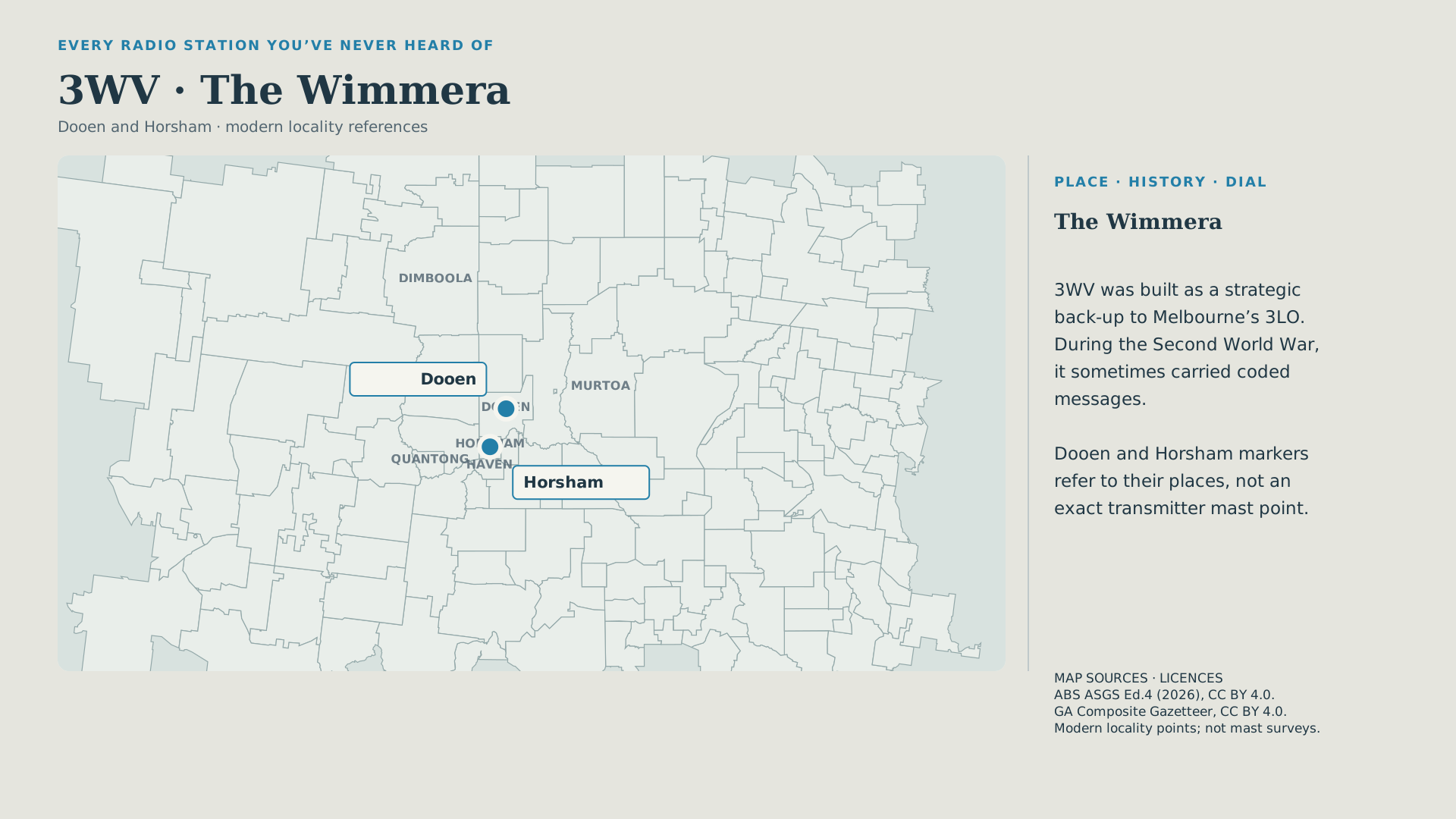
Victoria
A regional strategic back-up to Melbourne’s 3LO, later part of the wartime communications story.
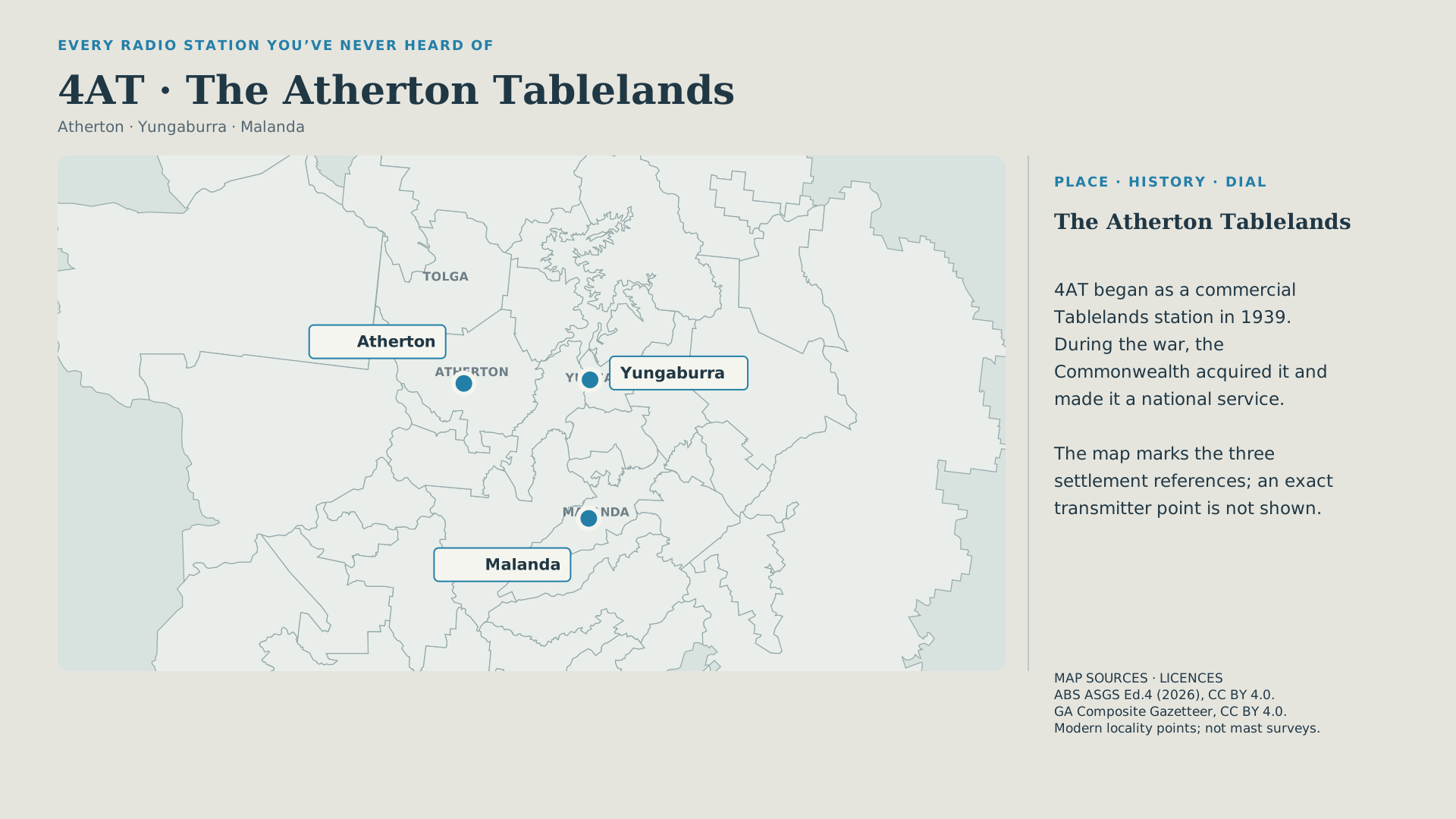
Queensland
A regional commercial station from 1939, serving communities across the Tablelands.
South Australia
Taken off air with 5KA in 1941 and officially reopened in December 1943.
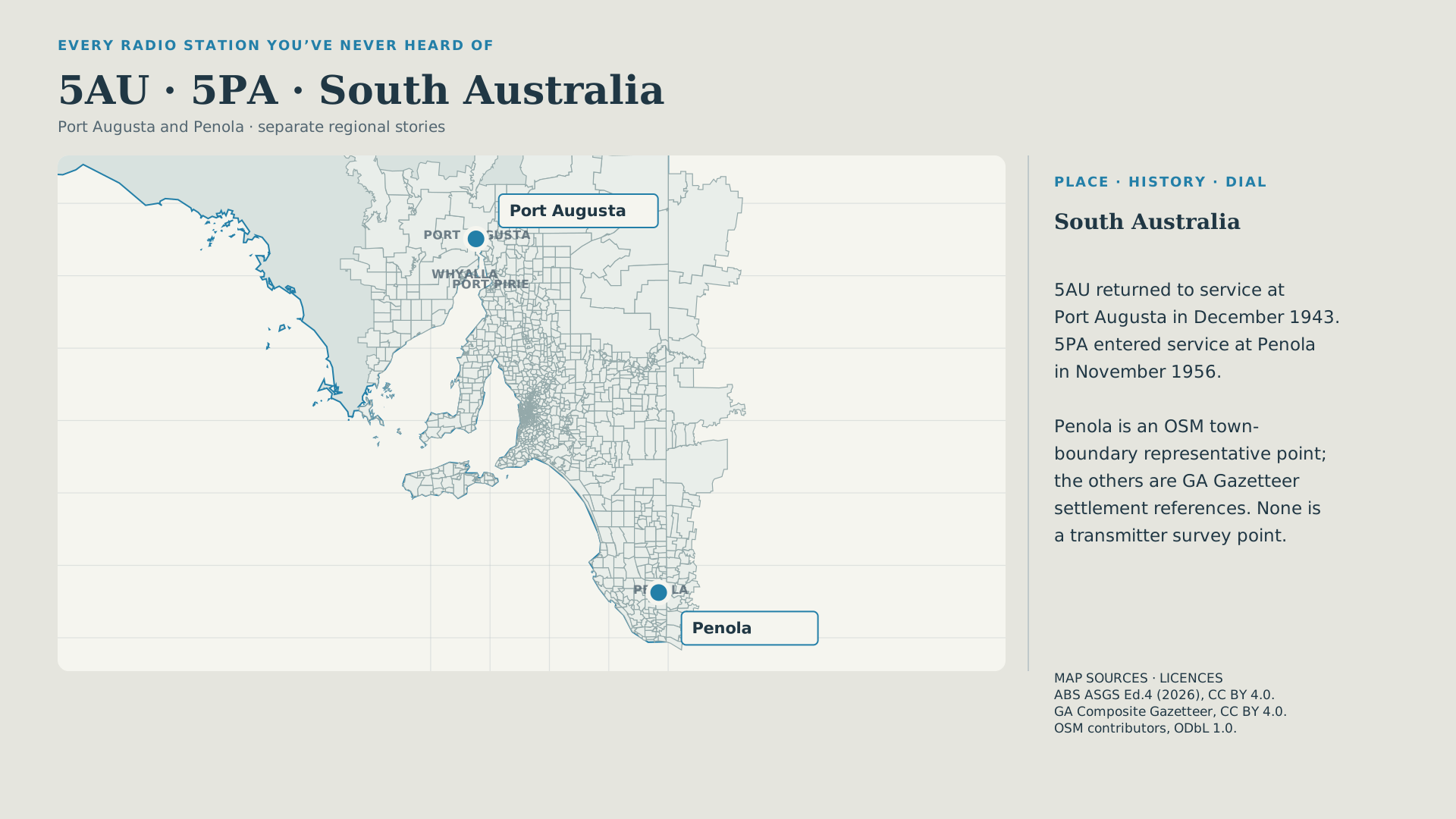
South Australia
Entered service in November 1956, adding another regional service to the dial.
Northern Territory
A Darwin service with wartime roots. A 1946 decision brought it into the national service; as an ABC station, it began transmitting in March 1947.
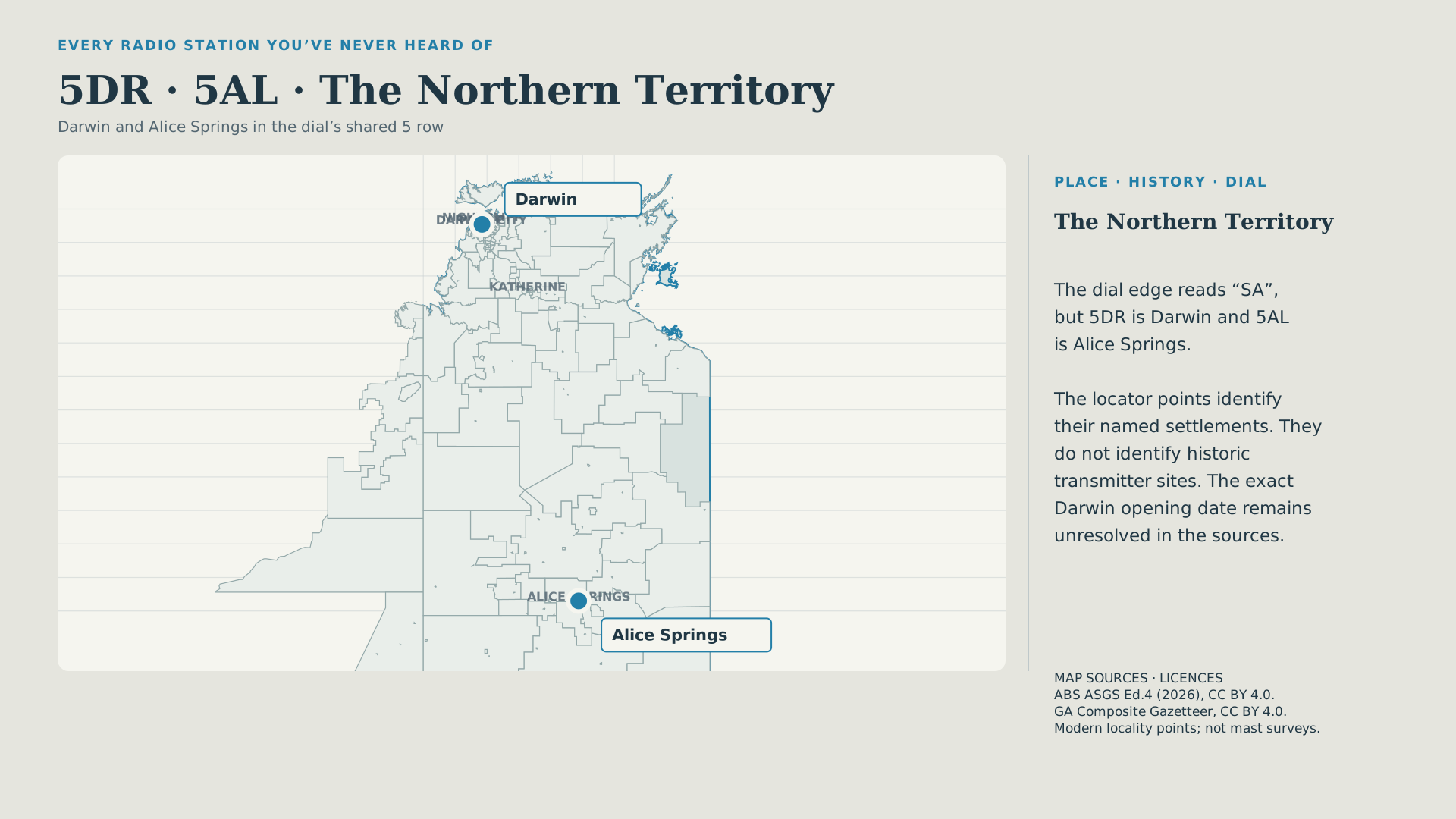
Northern Territory
An ABC relay that began in 1948, sharing the 5 row with Darwin.
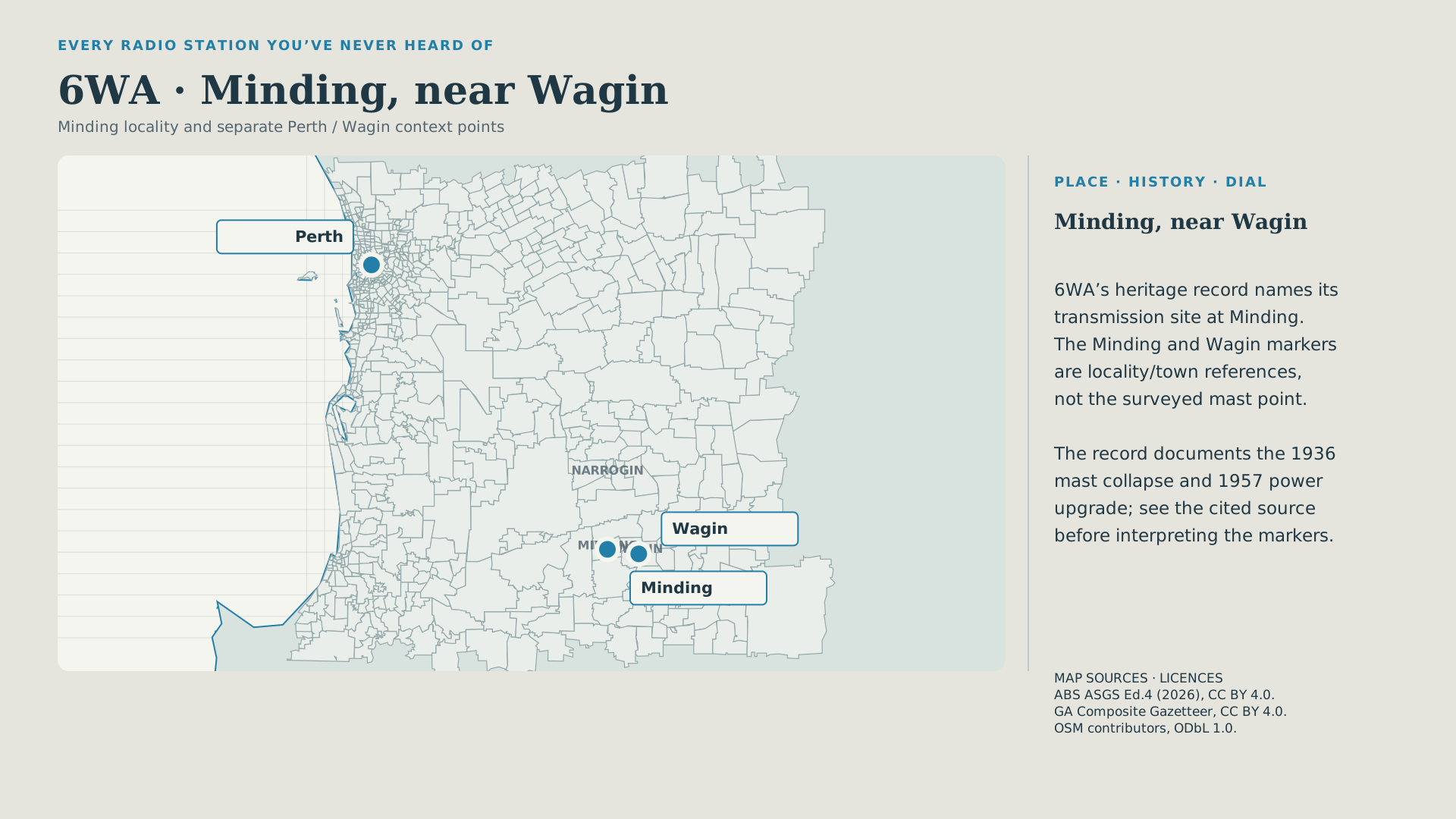
Western Australia
A mast construction setback in 1936 and a major transmitter upgrade in 1957 frame this service’s story.
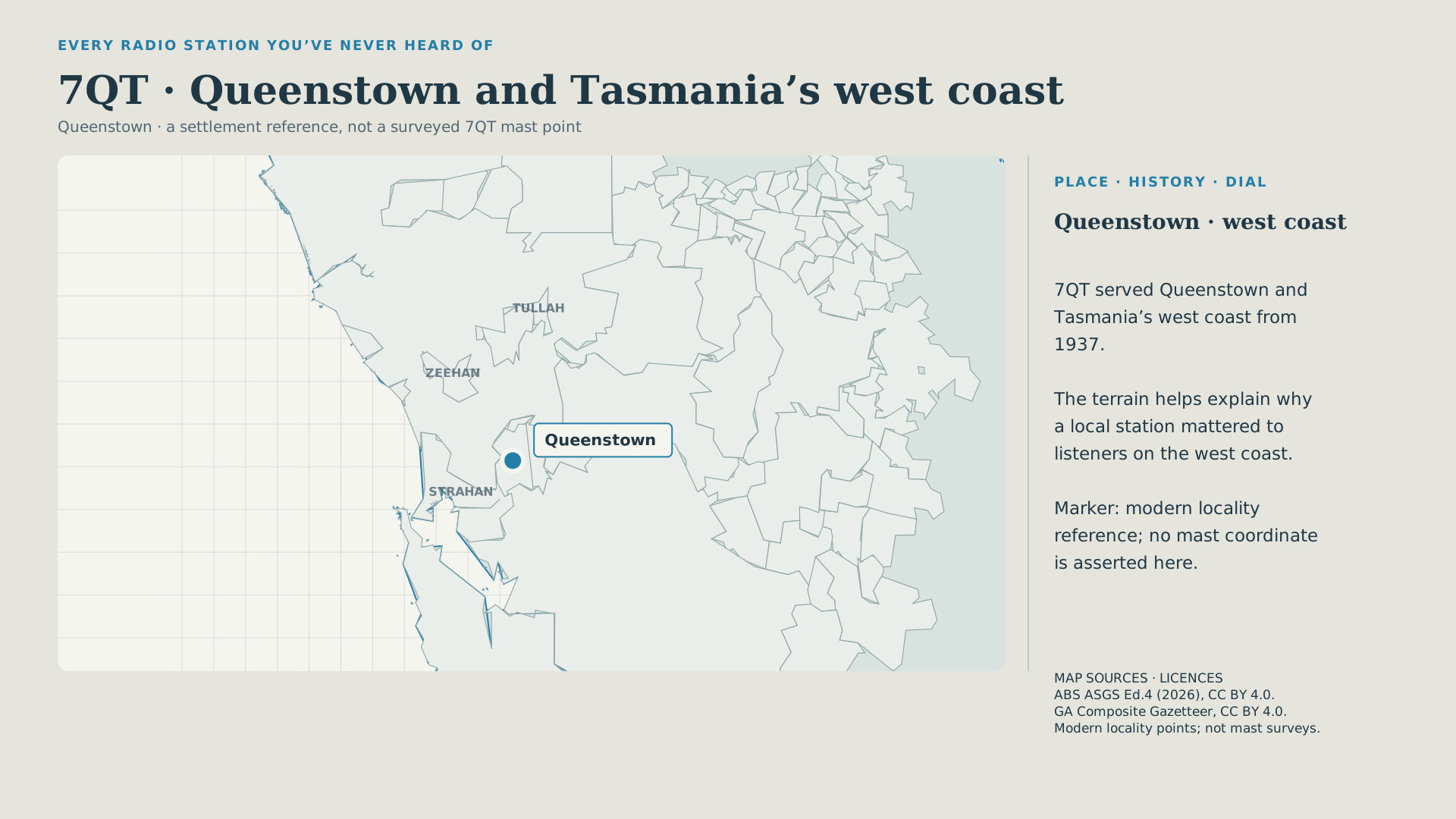
Tasmania
A west-coast station whose local signal mattered in rugged terrain. Period sources describe 7QT’s start differently: the 1938 yearbook lists 29 May 1937 as its commencement date; a 1946–47 profile says it was officially opened on 31 May.

5DR · Darwin. Date not recorded by the archive.
Courtesy of Library & Archives NT · PH0704/0052 · CC BY 4.0. Territory Stories 721313.
English: Library & Archives NT describes this photograph as 5DR radio station in Darwin; the date is not recorded.

Jack Davey at 3AW · Melbourne · 6 January 1945.
Photograph by Henry Frederick Charles Barrington · Australian War Memorial, item 086348 · copyright expired, public domain. View the catalogue record.
Beyond the photographed panel
The Australian Broadcasting Control Board’s operating lists for 30 June 1959 include commercial stations 2BS at Bathurst, 2VM at Moree and 7SD at Scottsdale, as well as ABC national services 2WN at Wollongong and 4QS at Toowoomba. None is visible in the supplied dial photographs. That comparison does not tell us why they are absent or whether this receiver’s dial was intended to show every service.
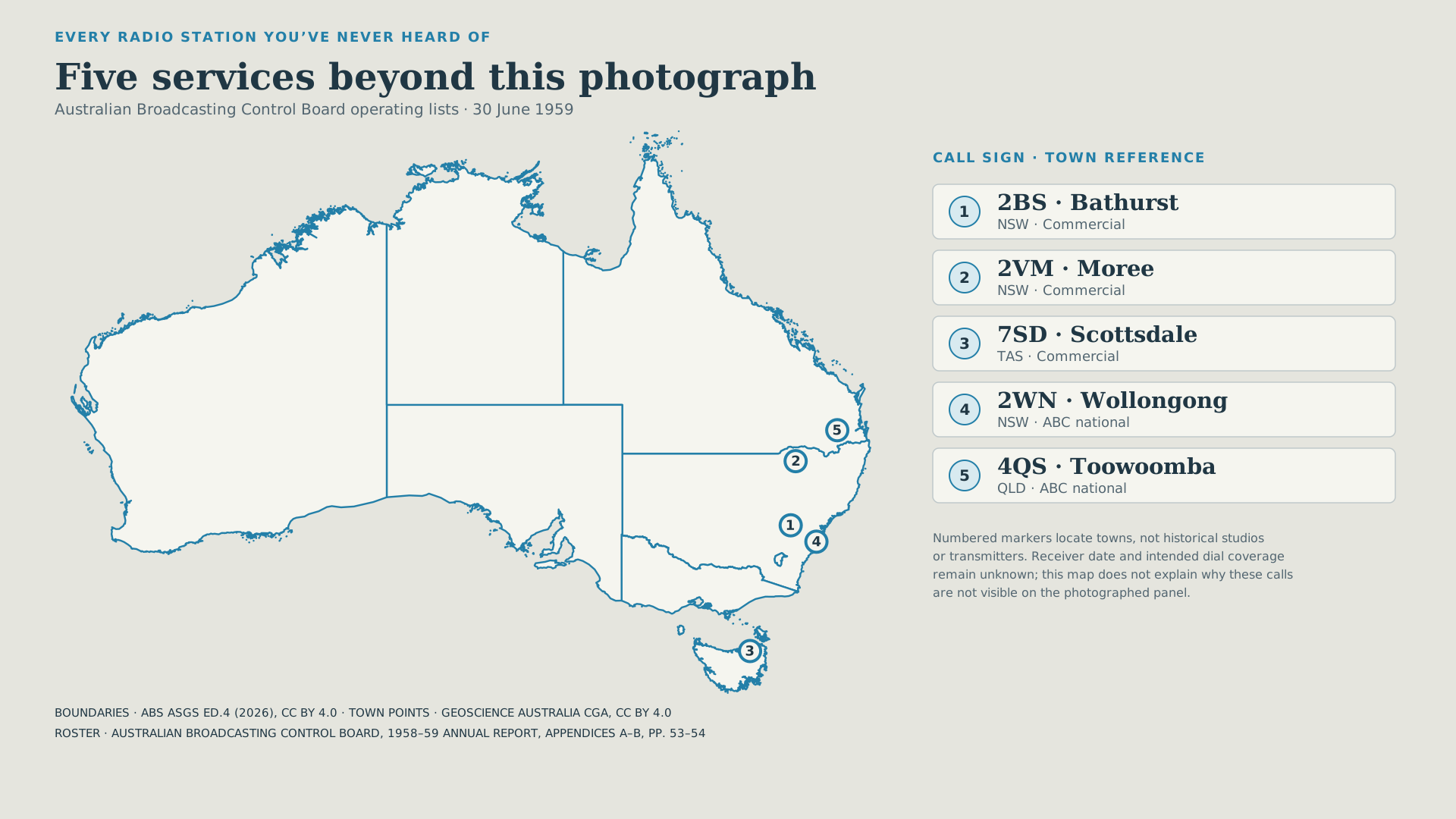


The row images provide visual context only. They do not establish exact tuning positions. The radio’s date and intended dial coverage remain unresolved.
Scope and method
The working transcription records 161 visible marks, but not every mark is yet confirmed as a broadcast station. This national introduction gives selected regional services the story first; later state and territory episodes will take the wider station inventory further.
Dates and locations follow the available evidence. The radio’s exact manufacture date remains unresolved, and the illustrated maps show modern locality references rather than historic transmitter coordinates unless a source establishes otherwise.
Research notes